
 If you are a program manager, don’t you feel sometimes you are babysitting for your team members? It is a challenging job, considering each program launch takes around two years. During this duration, we lead every aspect of the program and expect each team member to understand their responsibility. In the real world, it doesn’t happen all the time. One way or another, we can have difficult people in our team who give us a hard time. So, how can we handle these difficult people with professionalism, especially when we are under time pressure from our customers and upper management?
We are the owner of the program, and it is our job to remind our team members of the project scope, milestones, and actions that need to be taken to meet each customer’s deliverables. But so many times sending e-mails, skyping, calling, texting, and having meetings with our team members are also part of our job to ensure they are doing what they promised to do.
If you are new in program management, the first rule you need to learn is to follow up on the actions. Otherwise, you will be talking about the same open activities for the next meetings. Unfortunately, if we don’t remind them and ask about their progress, again and again, our team members may feel what we are requesting is not urgent and can wait for another week. This part of our job is necessary, but it shouldn’t be our actual job because we need to coordinate and perform many other activities and make sure that each dependent activity progresses as planned and the next activity can start on time. The nature of our job is not only to connect each project step and activity but also to build connections with our team and customers. Overall, our goal is to complete our program successfully and celebrate our accomplishments as a team.
Most of the time, we have limited time between the customer milestones, and we have to focus on the big picture by coordinating our team members’, plants’ and suppliers’ activities. When working hard to put things together, we may be challenged and get pushback from our team members about absurd reasons. This is one of the biggest problems we all face, but we need to find ways to resolve conflicts if we can; if not, we need to learn how to escalate.
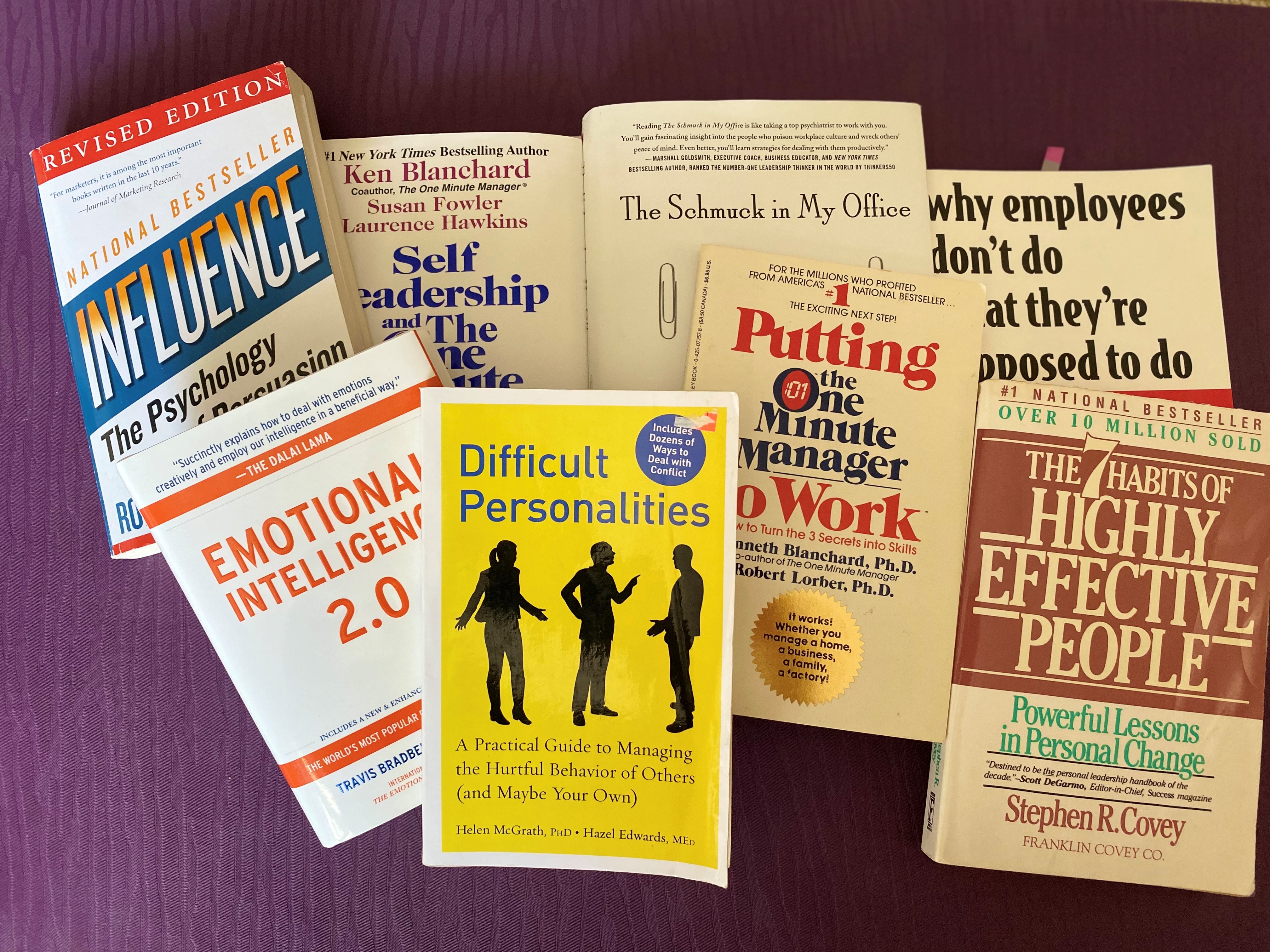
I’m not a person who escalates issues or people because I take my job personally. I used to think that escalating issues or people is for weak program managers, who can’t handle their work. So, I’ve not escalated most of the problems or difficult people that I dealt with over the past 15 years in my career. I’m not proud of it because I added extra stress and pressure on myself by thinking this way. Since 2016, I have taken many online classes and read many articles and books to understand and learn how to manage my team and deal with difficult people. However, as I lead more profitable programs, I also understand the importance of my position and the impact of possible delays.
As a program manager, we are responsible for our program’s success, so if we miss customer deadlines, we are the ones who need to take responsibility and blame. However, if there are external issues that may delay our activities and keep us awake at night, we must make our managers aware of the situation. It is not complaining to our managers about our suppliers, customers, or team members. We can prepare a one-page executive summary and explain to them: What are the issues? What actions did we take to solve it? What are the risks for our program? This must be done promptly, not in the last minute of the customer delivery date. If we don’t escalate the high risks on time and miss our deadlines, it will be solely our fault even though it is caused by someone else. What is more, the escalation will come from the customer for missing their milestones.
So, how can we make sure we don’t come to this point? We need to explain to our team members the consequences of their actions, and why we need their response at certain times. We are the primary customer contacts who oversee their expectations and required changes. Later on, we share this information with our team members to be able to align our internal activities. In a perfect world, we receive updates and feedback from our customers on time and should have enough time to align our team members. However, sometimes we face last-minute changes and requests, so we expect our team members to be more proactive and supportive. Some of them are proactive, but some of them are reactive. Unfortunately, we can’t control anyone’s reactions; however, we can control our responses. We can share the customer process and system with them and explain how things work in our PM world. We also should understand these people have other projects to support, so we should give some time to complete their work for our program if possible. However, sometimes some of them have an attitude problem, without listening or trying to understand the situation they resist and don’t want to do their job. After all our attempts, if they still don’t want to take any action, complain, and give us a hard time, there is nothing wrong with sharing the situation with our managers.
In my experience, we’ve always found a way to complete our actions and meet our customer deadlines on time. Sometimes, we’ve had to negotiate with our customers for an extra week or two, which is another part of our job, but we’ve always managed to meet our milestones.
There will always be last-minute changes in our programs. As a team, we need to apply all our resources, resolve the conflicts, and focus on our goals. We should create a positive relationship to create a positive environment. Regardless of what we do and where we work, we will always have some difficult people around us throughout our careers. The name, face, or position may change, we need to learn how to manage these people. On the other hand, we need to remember these kinds of people must also be difficult for others, so we shouldn’t take anything personally and continue to be resilient.
There may be times we get frustrated at work, but it shouldn’t steal our joy and keep us awake at night. We should do our best to keep our professional relationship with everyone while ensuring everyone is working on their assignments. In the end, the reason why we are working together is to launch a new program, so our company can start making money from it as soon as possible. If there is a person, supplier, or anything that may delay our customer milestones, this needs to be escalated, whether we like it or not.


 I’m a Project Manager with a deep passion for both professional and personal growth. Designing and building the next generation of vehicles is incredibly rewarding, but it comes with its challenges—especially for someone as emotionally invested as I am!