Huri Larner

🇹🇷Turkish 🇬🇧Married to Brit 💍 @matt_larner @https://etspvilla.blogspot.com 🇺🇸MI, USA ⌨️Program Manager 👩🏻‍💻Engineer🍜🍣Food Lover🧘🏽‍♀️Yoga 📝Learning ✈️Traveling ♥️H&M🧿

How We Sold Our Home in Just 2 Weeks!

We sold our home in just two weeks — not because the market was easy, but because we took full ownership of the process.

We didn’t rely on staging companies.
We didn’t blindly trust agents.
We treated the sale like a project, with clarity, data, and intention.

And it worked.

The turning point: ownership

We interviewed four real estate agents. All were competent, but none felt emotionally invested the way we were. This wasn’t just a transaction!  We had built this home, waited 18 months for it, and truly believed we’d live there for years.

When life changed, selling a nearly new home felt risky, emotional, and expensive. So my husband and I made a decision: We would own the process end to end.

What actually made the difference

  1. We stopped relying blindly on opinions and started using data. We researched:
  1. We decluttered aggressively
    No personal items.
    No excess furniture.
    No emotional attachment.

I learned a powerful idea from Audra Lambert:

Buyers need to feel like they’re walking into a hotel — not someone else’s life.

That mindset changed everything. She is very cool, take a look –> (5) Audra Lambert – Lambert Group Homes – YouTube

  1. We aimed for 60% empty
    The goal was space that could breathe.
    Even though we had a large home with relatively little furniture, going through drawers, closets, and storage still took time and discipline. But it was worth it.
  2. We staged the home ourselves — simply and intentionally
    No overdesign. No trends.
    Clean lines, neutral tones, and green plants for warmth and elegance. Those plants are now in our new home!

Yes, we did choose an agent in the end but intentionally

After research, we selected a local agent who: 

  • Came with a clear plan
  • Walked the home carefully
  • Charged a fair commission

He was professional and supportive. But here’s the honest truth:

Even the best agent will never care about your home as much as you do.

Being a project manager helped more than I expected. I treated the sale like a project:

  • Clear scope
  • Data-driven decisions
  • Defined start and end dates
  • Intentional execution

When everything aligned, the right buyers showed up quickly.

The biggest lesson–> No one will manage:

  • Your life
  • Your money
  • Your outcomes

better than you.

Ownership isn’t about doing everything alone, it’s about being intentional, informed, and accountable.

And that principle? It works in real estate, career growth, leadership, and life. Take ownership. It works in anything you do.

As I step into 2026, my goal is simple: to take full ownership of my career — my growth, my choices, and my direction.

I hope you choose one thing that truly counts this year. If you do, I’d love to hear about it.


When a Book Meets You at the Right Time

Last week, I listened to Angela Duckworth’s Grit again. I listened to it 5 years ago, but this time it felt completely different.

I had tears in my eyes many times. Not because the book was sad or dramatic, but because so many of her stories finally connected with me. Growing up in Turkey with ambitious parents, a lot of what she shared felt familiar and personal.

One story touched me deeply. When she expected appreciation for her hard work during her PHD but received harsh criticism instead from her Professor. She cried in her office, went home, and cried to her husband.
I had a lunch date with my husband and told him about this part. I said, “This is exactly what I do!” When I feel disappointed at work or deal with difficult people, I cry too! First on my own, and then to my husband. After going through this book again, I feel I can actually apply her tools and become stronger and better.

Also, hearing that someone like Angela Duckworth also has those moments made me feel less alone.
She is human. I am human. We are all trying!


And I loved learning about deliberate practice

I didn’t remember this part from 5 years ago, but this time it finally made sense.

Angela explains that effort isn’t just about working hard.
It’s about intentionally practicing in a way that actually moves you forward:

  • Setting a narrow, specific goal

  • Giving it your full concentration

  • Getting immediate feedback

  • Reflecting and adjusting

Simple, but powerful — and for the first time, I finally got it.

It gave me hope, and the research she shared from so many incredible people made me feel positive about what’s possible.


What I want next

  • I want to keep growing personally and professionally

  • I want to get better at my work

  • I want to be more patient with myself

  • And I want to teach my kids that effort matters more than talent — and be a role model for them

I’m grateful I listened to the book again. My next goal is to explore the resources on Angela Duckworth’s website and keep practicing what I learned.


Goals: Focusing on What Truly Matters

Have you set any goals for the year, or, like me, did you suddenly realize it’s already February?

I often start a year with a long list of goals and dreams. However, I have noticed that when I write them all down, I tend to forget the first one by the time I reach the last. My mind is always racing, always wanting more. And every year, I carry over unaccomplished goals to the next, feeling as though I am constantly chasing after something.

This year, I decided to take a different approach. Instead of overwhelming myself with an endless list, I planned to set ten goals, prioritize five of them, and keep the other five as “nice-to-haves.” If I could not get to them, I would not consider myself a failure. With this mindset, I was ready to start my list. I made myself a cup of coffee, arranged for some help with the kids, and sat down to focus on our investment plans. Just as I was about to begin, I came across heartbreaking news—a tragic American Airlines passenger flight crash. As I read through the details, I could not hold back my tears. There were children on that flight—young lives full of promise, taken away in an instant. There were hardworking, successful people with bright futures ahead of them. None of them had any control over what had happened. My thoughts immediately turned to my children and my husband.

As if the universe wanted to reinforce how fragile life truly is, my mom mentioned another devastating incident that had happened a few weeks ago in Turkey. There was a hotel fire in Bolu, where 79 people lost their lives, including children—all due to the negligence of others. I could not help myself and searched the details and also, came across a video of a grieving mother, saying, “When you hear about these things, you feel sad, but you never think it could happen to you.” Her words struck me deeply.

Just moments before, I was thinking what kind of goals I would be setting such as—getting healthier and fitter, planning a vacation with my husband, finding good schools for the kids, and organizing a big family trip with our parents. But suddenly, all of those goals felt so insignificant.

At that moment, I realized that my biggest wish was simply to be healthy. I wanted my children to be healthy. I wanted to be present for them. Because if something happened to me or my husband, what would happen to them? And if something happened to them… I do not even want to finish that thought. These emotions overwhelmed me, leaving me in tears and making me feel incredibly vulnerable. But they also led to an important realization: While I can’t control everything, I can take steps to protect my family and cherish my time with them without taking it for granted. So, my first and most important goal for 2025 is simple: Take care of myself and be present for my children. Of course, I will still have other goals. But now, I understand that when I am healthy and with my family, everything else is just a bonus. And I will do my best not to stress over the small things.

Let’s make 2025 count—not just with checklists and goals, but with love, presence, and gratitude. While we can’t change the past, we can take steps to prevent future tragedies.

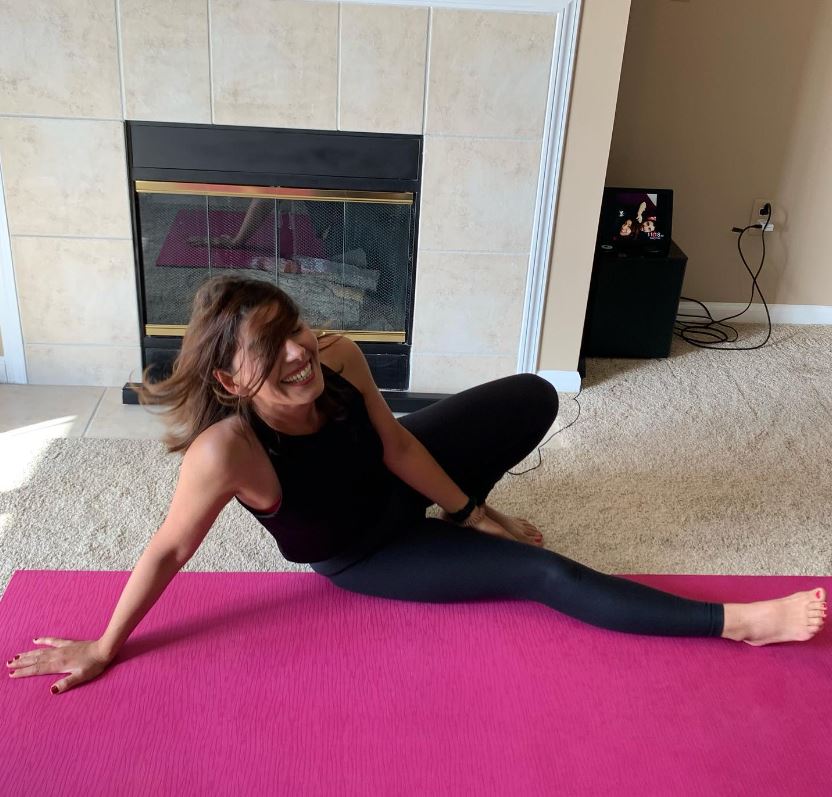
A Cup of Yoga Please!

This week was tough. I was part of a four-day workshop at the office, which meant a total of 12–15 hours of driving. We also had new colleagues in town to help us learn a new product. During all of this, I found myself challenged by a colleague’s approach. It was especially disappointing since he’s someone I’ve trusted and worked well with in the past.

The situation reminded me of Tuckman’s stages of team development, and I kept telling myself it’s normal—we’re likely in the “storming” phase. Still, I couldn’t shake the feeling of disappointment. At 41, with over 20 years of experience, I was surprised and frustrated by how overwhelmed I felt. Part of me was disappointed in myself, wondering why this was affecting me so deeply.

I talked to my husband about it, and he listened patiently. But by Saturday, I was still holding onto those feelings. One of my new colleagues even texted, saying, “It was nice to meet you in person! Remember to stay relaxed, even when some people in the office challenge you too much.” I appreciated his words, but it made me feel even more disheartened.

I felt on the verge of tears and decided to go to the gym, dropping the kids at the gym daycare so I could have some “me time.” I joined a HIIT class and was about to take a shower when I spotted my yoga teacher. A wave of relief washed over me. I told her I was done for the day but needed her motivation and positive energy, so I joined her Surrender Yin Yoga class.

That one hour felt like a gift. It gave me time to reflect on my thoughts, disappointments, and gratitude for taking a moment to exercise, meditate, and reconnect with myself. She reminded us that every moment is part of the healing process and encouraged us to have a beginner’s mind.

Afterward, I felt renewed, and a few realizations came to me:

• I’ll check in with a trusted colleague for his perspective on Monday.

• Next time I feel challenged, I’ll remember to pause, breathe, and even excuse myself to take a five-minute break.

• I won’t let anyone occupy space in my mind, especially if they’re being rude. Instead, I’ll brush it off and focus on the bigger picture.

Finally, I reminded myself to ask, “Will this matter one year from now?”

I booked next week’s yoga session because I need yoga as much as I need my coffee—and I don’t need unpleasant situations to force me into self-care. This experience helped me refocus on my goals and remember that even experienced professionals sometimes feel overwhelmed. I’ve also started Managing Emotions in Times of Uncertainty & Stress by Yale, to better manage my feelings in these situations because, ultimately, I know I can’t change or control others.

If you have tips for navigating similar situations, please share. I know this won’t be the last challenge, and I’m open to building more coping mechanisms. ☺️

Becoming a Project Management Mentor

I’ve decided to focus on project management as a mentor and coach. I’m grateful to be recognized at work as one of the best project managers and to have been asked to mentor some of my colleagues. While this recognition is rewarding, it also adds pressure because I want to ensure that what I share is valuable and helps them grow and overcome their challenges. I’ve found that I genuinely enjoy these conversations. I often see patterns from my own experiences, and it’s rewarding to hear comments like, “Now I know what to do,” or when my mentees present an action plan during our sessions. With that in mind, I’m excited to share my experiences with a broader audience, especially those who feel overwhelmed and don’t know where to start, as it’s often difficult to find real-life examples. As a first step, let’s explore what’s available from the Project Management Institute and build on that. Here’s a great start—check out these free PMI courses to deepen your understanding of AI, Agile, and PMP in project management: PMI Free Online Courses. In the meantime, I’ll be preparing all the valuable insights that helped me become a better project manager, in hopes that they will help you too.

He who has a why to live for can bear almost any how

“He who has a why to live for can bear almost any how”

Friedrich Nietzsche

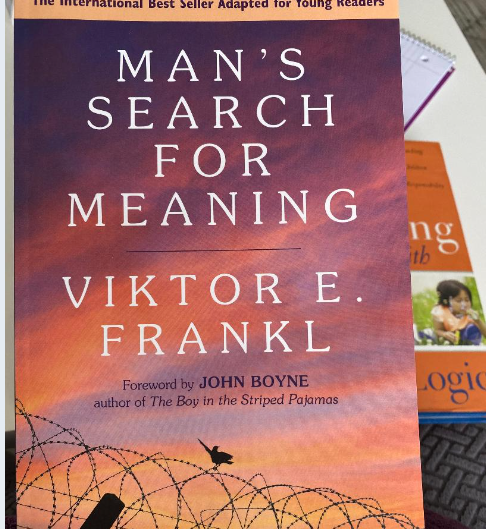
Recently, I read Viktor Frankl’s “Man’s Search for Meaning”, after it was referenced in other books and podcasts to which I listened. It felt like a sign that there was something important I needed to learn.

The book describes Frankl’s personal experiences and survival in unimaginable conditions. He managed to endure extreme hardships by thinking of his wife and holding onto hope that he could one day share his experiences and observations. He observed that those who lost faith in the future also lost their spirit and physically and mentally declined.

One moment in the book describes how he realized his purpose and his life’s meaning. Frankl, whilst working in the freezing cold and limping from the sores on his feet, couldn’t help but think about his immediate basic comforts. Could he exchange a cigarette for a bowl of soup? Or a sausage for some bread? Could he replace his broken shoelace? He suddenly felt unhappy with himself for focusing on such small concerns. Instead, he envisioned himself in a warm, comfortable room, giving a lecture on the psychology of the concentration camps. This helped him see his current situation as past history and become detached from his current situation.

Frankl’s overall message was that our attitude towards suffering can transform our lives.

Reflecting on my own life, I wondered how I could apply Frankl’s ideas to my daily challenges. How can I turn these into meaningful experiences?

My biggest takeaway is this: we may not control our situations, but we can decide how we respond and take responsibility for our choices.

This book was an interesting and quick read. I finished it in just 3 days. I will pick it up again as a refresher.

From Skeptic to Superfan: My Journey with Podcasts

My husband and podcasts? It’s a love story! He can turn a 5-minute chore like taking out the trash into a whole podcast episode. Airpods in, he disappears into another world. It used to drive me a little crazy.

A few years ago, I tried podcasts myself – project management stuff, even Harvard Business Review – but nothing clicked. Until a few weeks ago!

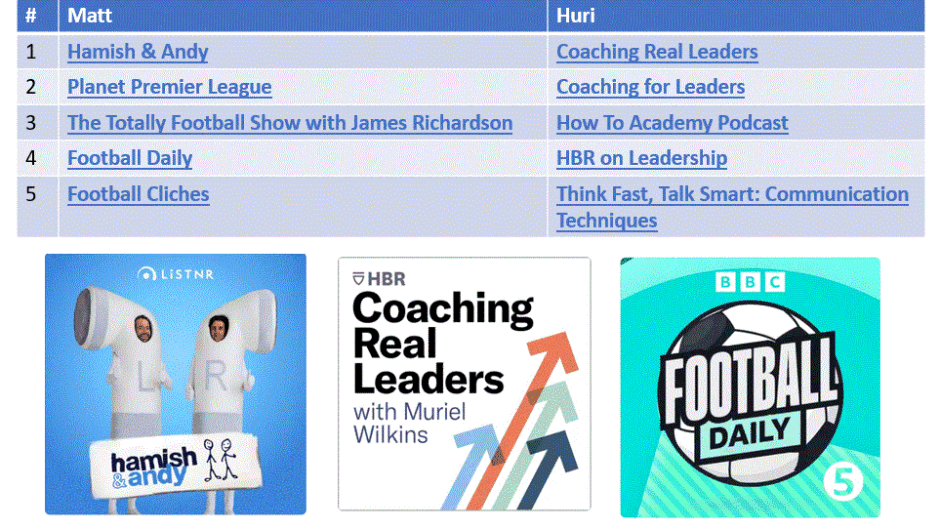
Now it is my turn:) Podcasts have become a life-changer and a wonderful source of work. I recently got hooked on “Coaching Real Leaders” with Muriel Wilkins. She is an amazing executive coach and the way she coaches the real-life leaders in her podcast completely changed my perspective on how I should approach my career.

There’s a whole world out there waiting to be explored. You can find anything and everything that may guide you. For example, today, I listened to the episode ” How to Build the Life You Want” from How To Academy Podcast which offered some practical tips that I’m excited to try!

I’d love to hear about your experiences and recommendations. What podcasts have captured your attention and left you wanting more?

Here are hubby’s and my top 5 Podcasts

# Matt Huri
1 Hamish & Andy Coaching Real Leaders
2 Planet Premier League Coaching for Leaders
3 The Totally Football Show with James Richardson How To Academy Podcast
4 Football Daily HBR on Leadership
5 Football Cliches Think Fast, Talk Smart: Communication Techniques

Embracing Life’s Lessons: A Reflection on “The Last Lecture”

As 2024 approached, my husband realized he hadn’t read a single book all year (though he enjoys articles and news). Scrolling through the library app, he discovered “The Last Lecture” by Randy Pausch and Jeffrey Zaslow.

A few years ago, I’d seen the recorded video of Randy Pausch’s last lecture. A highly successful professor diagnosed with pancreatic cancer, Pausch poured his heart into his book and final lecture at Carnegie Mellon University. He aimed not only to share how he achieved his childhood dreams but also to leave meaningful life lessons for his three very young children, who wouldn’t have many memories with him. Since my husband could not put the book down, I decided to read too.

Reading the book was an emotional journey. Each page served as a reminder of life’s fragility and the importance of cherishing every moment. Pausch’s story, about dreaming big and achieving them made me re-evaluate my dreams and goals. His accomplishments inspired me. Even while battling illness, his energy and determination in delivering his last lecture for his students and community were truly amazing.

He also helped me to see what we are doing wrong at work with his sentence “ Adding manpower to a late software project makes it later.” I felt like this is what we did last year during my project 😊. Now I know more than ever that less is more because I believe we accomplished more results with fewer people in my project this year.

I highly recommend both the book and the last lecture video. They serve as powerful reminders that life is short. We should strive to make the most of it, just as Randy Pausch did by sharing his inspirational story with the world during his last days.

Codependent No More by Melody Beattie

Codependent No More by Melody Beattie, is a unique self-help book that shows the readers how to uncover and treat problems caused by living with dysfunctional family members.

As I read, it became obvious that toxic family members impact our lives and habits. Most of us aren’t aware of it because we don’t think we are the ones who have problems. However, living with these kinds of people shapes our behaviors, habits, and lifestyle; and is called “codependency”. This book is about codependent people who survive living with dysfunctional people.

The first step is to accept that a codependent person can be anyone who grew up inside a dysfunctional family or anyone who has married or lived with someone with an addiction (such as to alcohol, drugs, or food). The book mainly focuses on alcoholics; however, it provides methods applicable for similar conditions. I’m sure many people who don’t have obvious dysfunctionality in their lives may put away the book, but dysfunctionality has a wide meaning beyond those with additions.

It can be any extreme characteristic, such as spending more than one can afford, saving to the point of making yourself miserable, experiencing constant family arguments, disrespecting partners, or being materialistic. For example, in my family, my mom and dad constantly competed with each other, when we were growing up. It was for even simple things such as, cooking the same meal in different ways and asking us who cooked the best. Until a certain age, I always picked dad because I didn’t want to disappoint him. In the past, I never thought their competition was some kind of dysfunctionality but, as I grew up (and tried to find my true north), I realized the negative impact it had on my personality. For us to grow and develop, we must identify any dysfunctionality in our lives to overcome codependency.

The second step is doing something to recover if we are codependent. When dysfunctional people recover or leave our lives, we don’t get better. To do that, we need support groups to receive some kind of treatment and learn to heal. This is what most people are missing. We are not aware of the impact of dysfunctional parents or partners, and how they shape our personality. We assume we will live good lives once they recover or we move away from them. If we are not happy with who we’ve become or our current circumstances we blame the dysfunctional person. Most of the time we play the victim because we don’t know we need help, or how to take responsibility for our lives. We need to stop focusing on others and accept that we also need to recover.

Another clue of being codependent is living our lives for others. Codependent people like the feeling of being in control and being needed by others, even though they may continually complaining about it. They take care of others, try to solve their problems, and make decisions for them. In the end, they expect them to behave and act the way they want. They believe that if we don’t help or control the people in our lives, they will get worse. The truth is they are wasting their time, as they truly can’t change anyone. The only person anyone can change is themselves; we can live our best life and become an

example to others. If they need help, we can do so, not by taking care of them financially and emotionally, but by listening, understanding, and being an example.
Another sad truth is that most of us are not aware of our situation, and we don’t see that we like being in control of others’ problems, instead of facing our own problems or issues. We must learn how to take responsibility for ourselves and let others do the same. It is essential that we learn to do this. In the end, it is our life, and we should live the best life we can.

If we have any negative trend in our lives, we need to fix it because as codependent we may keep finding dysfunctional friends, partners, and even raise dysfunctional kids. So, the best thing we can do is not to wait for the people in our lives to recover or change. We need to stop doing things for them or taking care of them. They will end up doing what they should do. If not, we can help if they want but can’t dedicate our lives to them and expect them to change or get better.
It was an eye-opening book. I read it because I felt like I tend to try and control the people I care about, such as my sisters and my mom. The cover of the book was what caught my attention: “How to stop controlling others and start caring for yourself.” After reading it, I decided to stop expecting my sisters to live the life I expected them to live. For example, last year, I read so many beautiful self-help books about self-compassion, self-care, meditation, and setting goals. I recommended these books to my sisters, but they couldn’t find them or made excuses not to read them, even when I ordered the books for them. They didn’t even appreciate my thoughts or recommendations which left me feeling disappointed in them. I decided not to waste my time listening to their complaint and will just let them live their lives.

Overall, I decided that the book didn’t really apply to my life a great deal, however, I still liked the ideas it presented. It did show examples where we can all focus on our lives and take full responsibility for our decisions, instead of worrying about, or trying to control, others. If we don’t we will waste our lives feeling angry and unhappy. If you are a codependent person, reading this book could be a life-changing journey and open your eyes to your behaviors. Within it, you will see the steps necessary to make big changes in your life and escape the bonds of codependency.

Mom after thirty

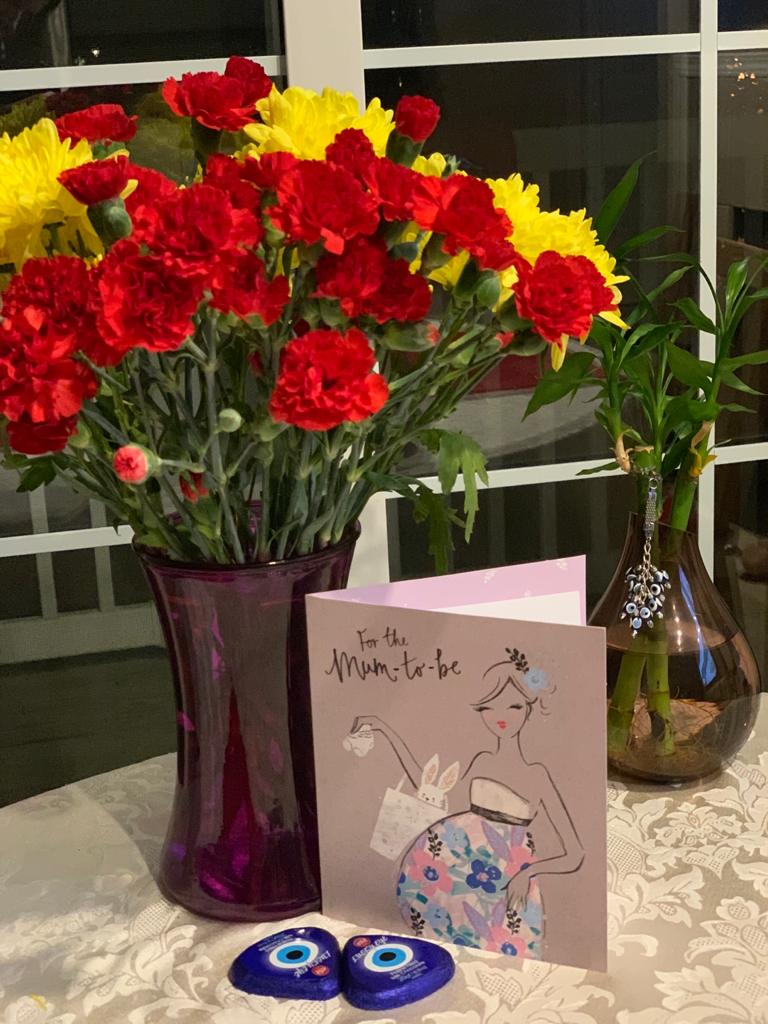
When we found out we are expecting a baby, the only thing I could think of was her health. I just wanted to have a healthy baby. I did not worry about if our baby was a boy or girl or the changes my body had to go through. I was assuming that all moms might have a similar approach to what I have; however, through the discussion forums, which you can get through pregnancy apps, I felt like I’m from a different world. The worries and discussions of the pregnant moms were quite interesting and made me feel lucky to have our first child when we’re wiser and more mature. I call this becoming a mom when we are mature enough to know our responsibilities.
Most of us have no idea what we are getting into before we have children. Even earlier than that, we aren’t even aware of what to expect and feel when we find out that we expect a baby. Based on our ages and maturity level, how we feel about pregnancy and having a kid can be very different. Here are some things to think about when you are having your first child in your thirties:

Healthy pregnancy:
I believe that this should be the most important thing for all new moms. Not only does our baby’s health matter, but also how we take care of ourselves makes a huge difference. I’ve been living in the USA for the past six years and had never been to a doctor before. I was very healthy, exercised regularly, and ate quite well. So, I did not want to spend a dime at the doctor’s office. The first sudden change was my doctor’s visits. Since I’m pregnant, I want to go to the doctor to be sure our baby is healthy and growing as expected.

Our Body Changes:
We all know that our bodies will be transformed during and after our pregnancy. Even though we don’t have control over certain changes, we can still improve the process and try to gain only the necessary and acceptable weight for our babies. What made me sad is that so many pregnant ladies were emotionally and mentally very upset and losing sleep about their look and weight gain. It is not a beauty contest or competition, so our goal should be to have a healthy pregnancy and accept our weight gain. Once we have our kids, we can go back to our routine and have a fit body. At least, this is my plan. I accepted that I would have some stretch marks and weight gain. As long as my baby and I are healthy, this situation won’t bother me.

Work-Life:
I’m one of the lucky moms-to-be. I have a decent income and a job that I like. Even though the past six months were very stressful, my pregnancy did not impact my performance. My concern was the programs I managed and their milestones and how their dates would align with my due date. I will be away from work for three months, so before my maternity leave, I’m doing my best to plan my program schedules, and I’m trying to manage my workload. When we have a job we deeply care about with a good income, we also think about our job situations more. So, this is one of the downsides of having a kid at a later age. When I look at the forum discussions, some people didn’t have jobs or relied on their parents and partners. So, it is one of the biggest challenges for young moms.

Screening for Syndromes (Down, Edward, and Patau):
This is one of the challenging subjects, and it can happen to anyone, regardless of their age, genes, and family history. I did not go through any screening because the result of the tests wouldn’t change my mind. Besides, these tests give a certain percentage of the possibilities that our babies may have any of these syndromes; they are not 100% accurate. Even thinking about it was scary, so I searched a little bit and found out that having any of these syndromes is increasing day by day. I saw some posts that some parents ended their pregnancy based on their screening results; it broke my heart, but I respect everyone’s decision. The only thing I can do is to pray for a healthy kid for everyone, including myself.

What to eat, drink, or smoke:
The things that are not good for our body are not good for our babies. So, I was shocked to see the discussion forums because some of the moms ask each other how many glasses of wine are OK to drink or if they can smoke marijuana. I don’t smoke and drink. Even if I did, I would stop once I decided to have a kid. Our babies are very vulnerable, so smoking, drinking, and eating unhealthily may harm them. I wish everyone was more mindful because we are all blessed to have a kid, and we should be grateful and take care of them well.

On the other hand, I learned that some healthy-looking food could be harmful during pregnancy, such as green papaya and hibiscus tea. I love green papaya salad and ate each time I go to a Thai restaurant or even made it home. So I was glad I found out about this early in my pregnancy and stopped consuming it. After this it became a habit for me to search what I can eat or not during pregnancy.

Baby Registry and Gifts
I was surprised to see so many new moms were obsessed with their baby registries and baby showers. Many of them were very upset not receiving the gifts or not having many attendees for their baby showers. To me, no one has to buy anything for my kids, including my parents and my husband’s parents. It is my child, and I’m fully responsible for whatever she needs.

Overall, I see more benefits having a kid when we are older because, as we age, we get wiser and worry about more important things. My only concern is being healthy and having a healthy baby. I will continue to enjoy my pregnancy journey until we finally meet our daughter in December.