
Huri Larner

Taking the Break You Need

My sweet Hubby while taking the sunrise picture at Hilton Head Beach

When I was a kid taking a vacation meant visiting my grandparents and helping them on the farm. It was fun because I liked the village life where my grandparents lived. My expectations changed when I became a teenager. I wanted to go to a beach or family vacation, which never happened because my parents wanted to see or felt obligated to visit their relatives and parents.

I never thought I would feel the same way when I grew up. Unfortunately, I sometimes do. However, it doesn’t change my decision about my vacation plans because I strongly believe that we all should have some quality time doing  what we prefer. So, I do my best not to let my mom try to control me 5000 km away.  I prefer traveling to different places, discovering new cultures and new cuisines, and spending time with my husband rather than using it for family visits.

This year was extraordinary. Because of the Covid 19 pandemic, we couldn’t plan our vacation the way we dreamed of. We still did our best to make it fun with the current circumstances. We did not want to take a flight during the pandemic, so we planned a two-week road trip . Considering we’ve been working from home since March, we were ready to get away from Michigan.

First, we traveled from Michigan to Pittsburgh, which was a lovely stop. It is a beautiful city; we had no idea of the topography of the city, which was quite hilly. We also had a chance to see our friends who lived there. We had a lovely time discovering a new destination.

Then, we visited Washington, DC, which was lovely. However, the museums and some of the other capital’s attractions were closed. It was still worth it to stop there. The food was delicious, and we had a chance to try some Turkish restaurants around the area. We walked quite a lot and took advantage of the beautiful weather.
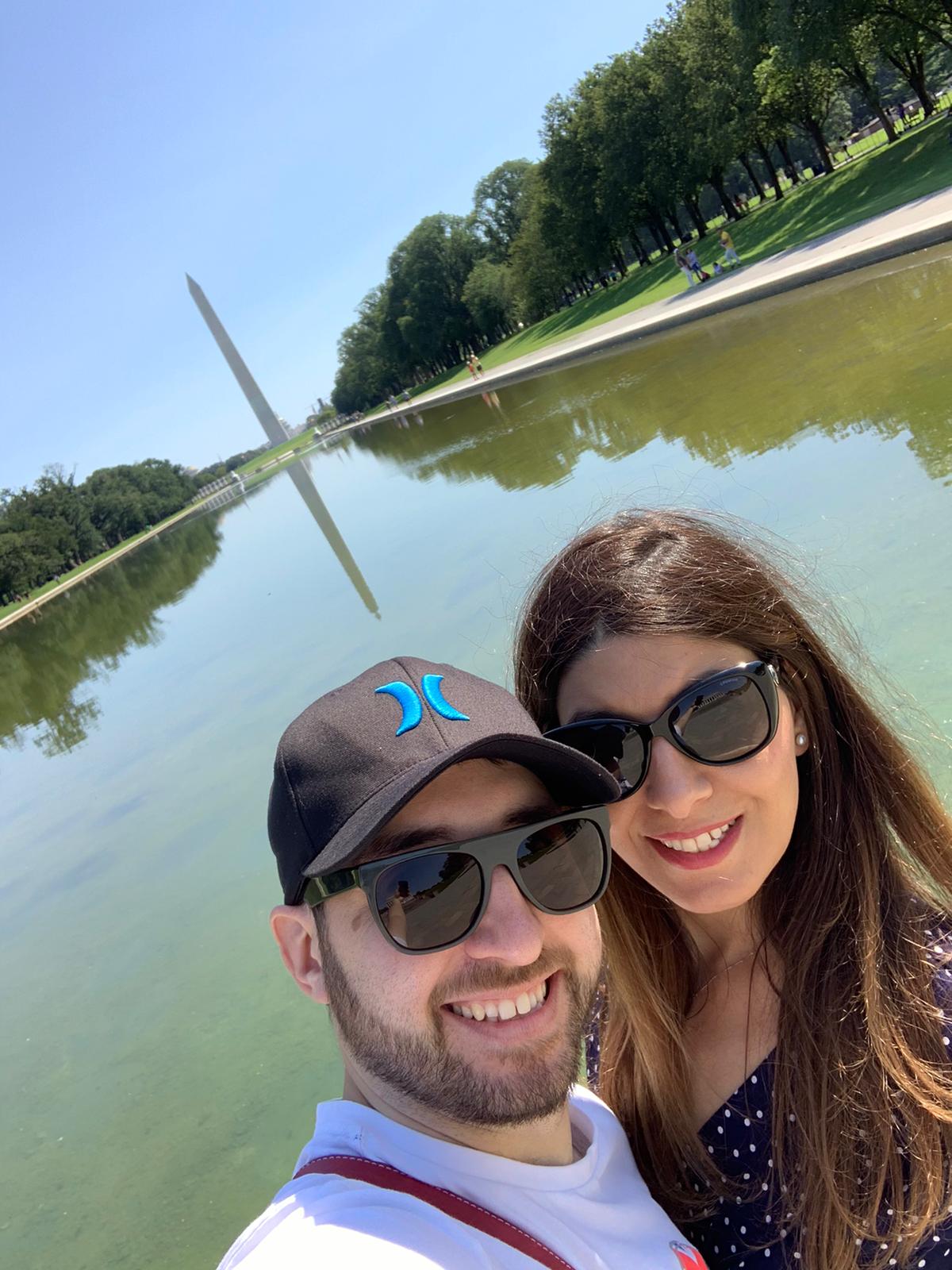
Washington, DC, Washington Monument

Our next stop was Virginia Beach, which was only 4 hours away from Washington DC. We did not have a lot of expectations. We did not want to drive very long, so we used Virginia Beach as a stopping point. Even though it was rainy, it didn’t bother us. Also, we had one of the best breakfasts of our trip. We walked by the beach and had a relaxing time. The best part of Virginia Beach was shopping. There was a lovely outlet center, which we ended up shopping for around 5 hours because the prices were irresistible.

Java Surf Cafe and Espresso Bar, Virginia Beach

Virginia Beach Walk


During the rest of the trip, we visited Raleigh, Charleston, Atlanta, Hilton Head Island, Cincinnati, and Columbus. While my husband was driving, I was like a little kid trying to find restaurants at which we could eat. We loved North Carolina and Hilton Head a lot, which made us think of moving to that area in the future. The nature was beautiful where ever we went, and even just driving from one state to another state was worth it. We exercised, discovered new places, and tried so many new restaurants. It was a good break, which boosted our energy and motivation.
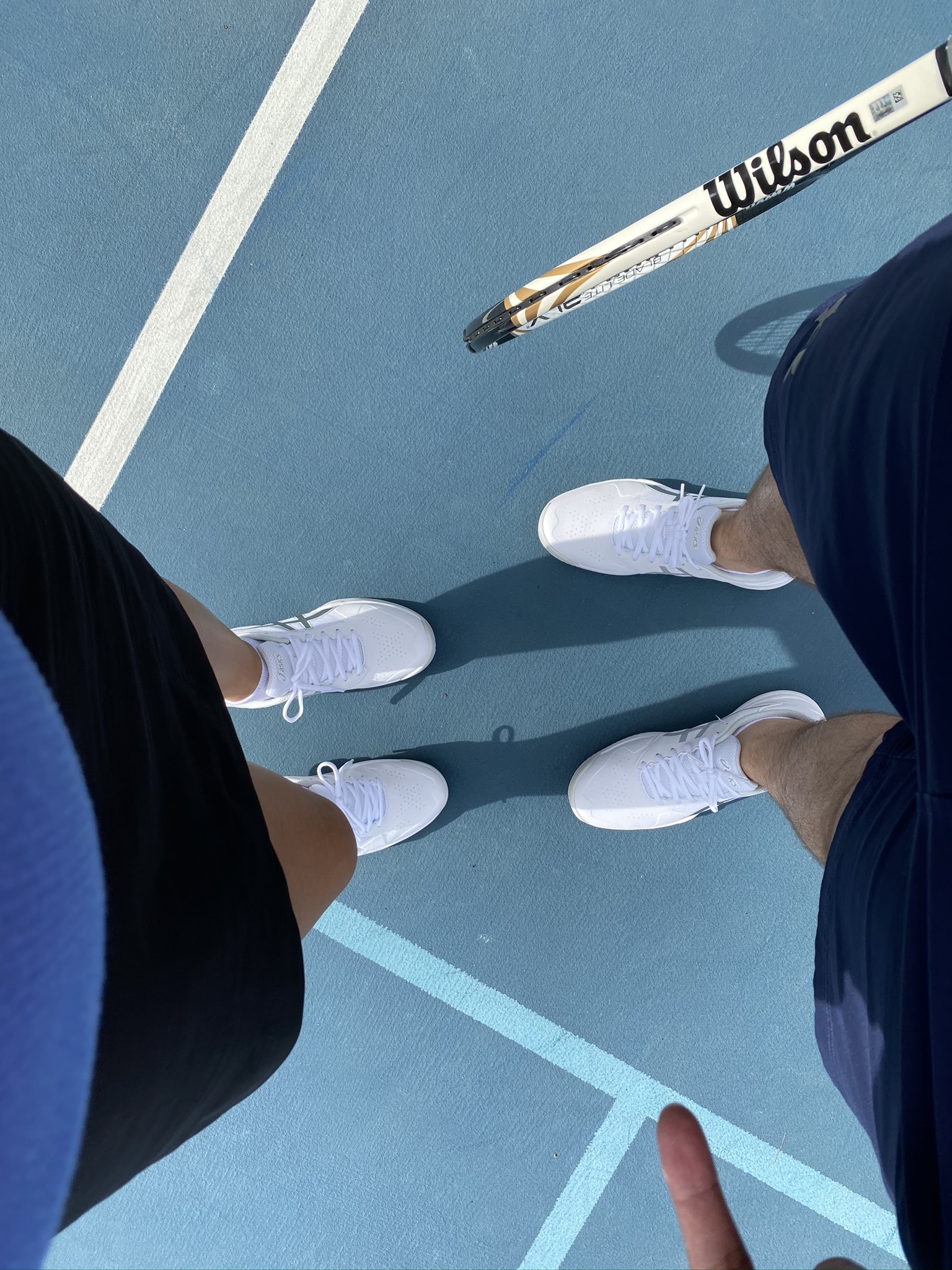
Tennis game at Raleigh, Pullen Park

We were happy because we were finally away from our home and didn’t have to think or talk about our work. Also, taking a road trip allowed us to talk about our future plans and listen to some audiobooks and current news. It was a great feeling knowing that we did not have to call into any meetings for a while or would not be  dragged into another urgent issue at work. Even though we were aware that our busy work was waiting for us, it was a great relief to be able to stay away from our laptops and work e-mails. What is more, it reminded us life is not all about our little world in Michigan.

Hilton Head Island

Regardless of how much we love our homes, where we live, or our jobs, we all need to take a break from our regular routine and take a vacation. Taking a break or going on a vacation doesn’t mean running away from our busy work and everyday chores; it means taking the chance to evaluate our lives and have some quality time away from our routine. If we use this time wisely, we can have a more fulfilled and motivated life when we are back from our vacation.

Overall, I believe that taking a vacation and having some quality time that makes us happy and refreshed is a great investment for our well-being. As Matthew Karsten says beautifully, “Investment in travel is an investment in yourself”, because once we refresh our minds, we will have a better approach and renewed energy which  to tackle everything  which is in front of us.
Self-Care: More Than Being Selfish

Self-care shouldn’t be a choice, even though we all have busy work schedules, demanding family lives, and limited time to be able to manage our daily chores. If we are aware of its benefits, we should consider making it a habit. We may think who has time to take care of themselves until we see a perfect-looking family while shopping or a post from a friend who seems to have it all. The sad truth is that most of the time, seeing others managing their lives better than us doesn’t help us. It may depress us even more. So, what does self-care mean, and how can we make more time for it?

Self-care is any activity that we do to take care of our mental, emotional, and physical health. As a result, we feel better and face our challenges more effectively. When we feel good, we become more positive and motivated. Some people don’t practice it at all; some people do it at specific periods of their lives. I’m sure we have so many examples around us who give up taking care of themselves when they marry or have kids. I agree that when we marry our priorities change; however, we are still responsible for our happiness, and we should still take care of ourselves physically and emotionally.

When we have so many things going on with our lives, we may give up on our hobbies, friendships, or daily routines. If this is something temporary, that’s understandable; however, if we forget to take care of ourselves totally and dedicate our lives to our husbands, parents, kids, or other things, we may create long-term unhappiness. What we forget is, if we are not happy, we can’t make anyone happy. For example, when we fly, we all have to listen to safety warnings about emergency landings, and how to use the oxygen masks. The flight attendant says, “Please place the mask over your own mouth and nose before assisting others.” We should have the same logic for self-care to take care of others: first, we need to take care of ourselves.

Here are some simple self-care activities that we can effortlessly apply to our lives and see their benefits quickly.

Physical self-care

We all need to be physically healthy to be able to do any activity. So, we need to take care of our bodies. Sleeping at least 7 hours a day, exercising, and eating nutritious food are some of the few steps we can easily take. It sounds simple, but their impact on our lives is undeniable. Also, when we look in the mirror, we should love ourselves. We can put on some makeup, wear the clothes that give us joy, and treat ourselves with a manicure and pedicure once in a while. In this way, we will feel more confident and happier. A healthy body will lead us to have a healthy mind.

Emotional self- care

We are not robots, so it is easy to feel distracted and stressed over personal and work issues. So, we all need to learn to be more resilient when things get tough. Life is not perfect; we will have some ups and downs. The only thing we can do to reduce the impact of the negative events is to learn some of the coping skills. We need to get to know ourselves, identify our weaknesses, and improve ourselves as much as possible. Learning how to manage stress and become aware of our actions will help us to find proper solutions that fit our needs. One of the most recommended activities is journaling. I know, who wants to write about all of the annoying events they have in their lives? However, this is the most effective way to empty our minds. Also, meditation is another activity that is recommended by many health organizations. Since we are talking about self-care, you may want to try meditation for self-love. On the other hand, creating a tidy and organized environment at work and home will change our mood. So, taking little actions will make a ripple effect on our emotional health.

Social self- care

We have to be careful with whom we surround ourselves because the people around us and the activities we do shape our lives. If possible, we should eliminate the people from our lives who drain our energy. Primarily, we need to avoid social media if we can because we are wasting our time watching other people’s lives. Social media has more negative impacts than positive ones, so if we can, we should reduce the time we spend on it and remove it from our lives. Unfortunately, it becomes an addiction and creates unrealistic expectations. Our goal should be having positive friends and families around us with whom we can spend quality time. To me, social self-care means eliminating the things and people from our lives that don’t take us one step forward.

Overall, everyone can define and create their self-care routine, such as: sleeping well, spending time with the loved ones, spending their money wisely, having hobbies, exercising, meditating, journaling, eating healthy, learning new skills for our work, and decluttering our lives of the people and things that don’t serve us anymore. It doesn’t mean we are selfish; it means we are on our way to becoming emotionally, mentally, and physically healthy to become better parents, partners, and family members. As Charles Buxton says, “You will never find time for anything, if you want time, you must make it.” I hope we can all make time for some self-care. When we start practicing it, we will immediately experience its positive impacts. As we practice self- care, it will become part of our lives.


Possibilities

“I am where I am because I believe in all possibilities.” – Whoopi Goldberg

The right attitude can lead to many beautiful possibilities. Sometimes, it is true that some people are luckier or more fortunate than others; however, not many people use their opportunities and get the best out of them. What makes the difference are our decisions and attitude toward the situation and people we face. Once we start making our own decisions, we’ll have the power over our future, and we’ll open doors to the endless possibilities.

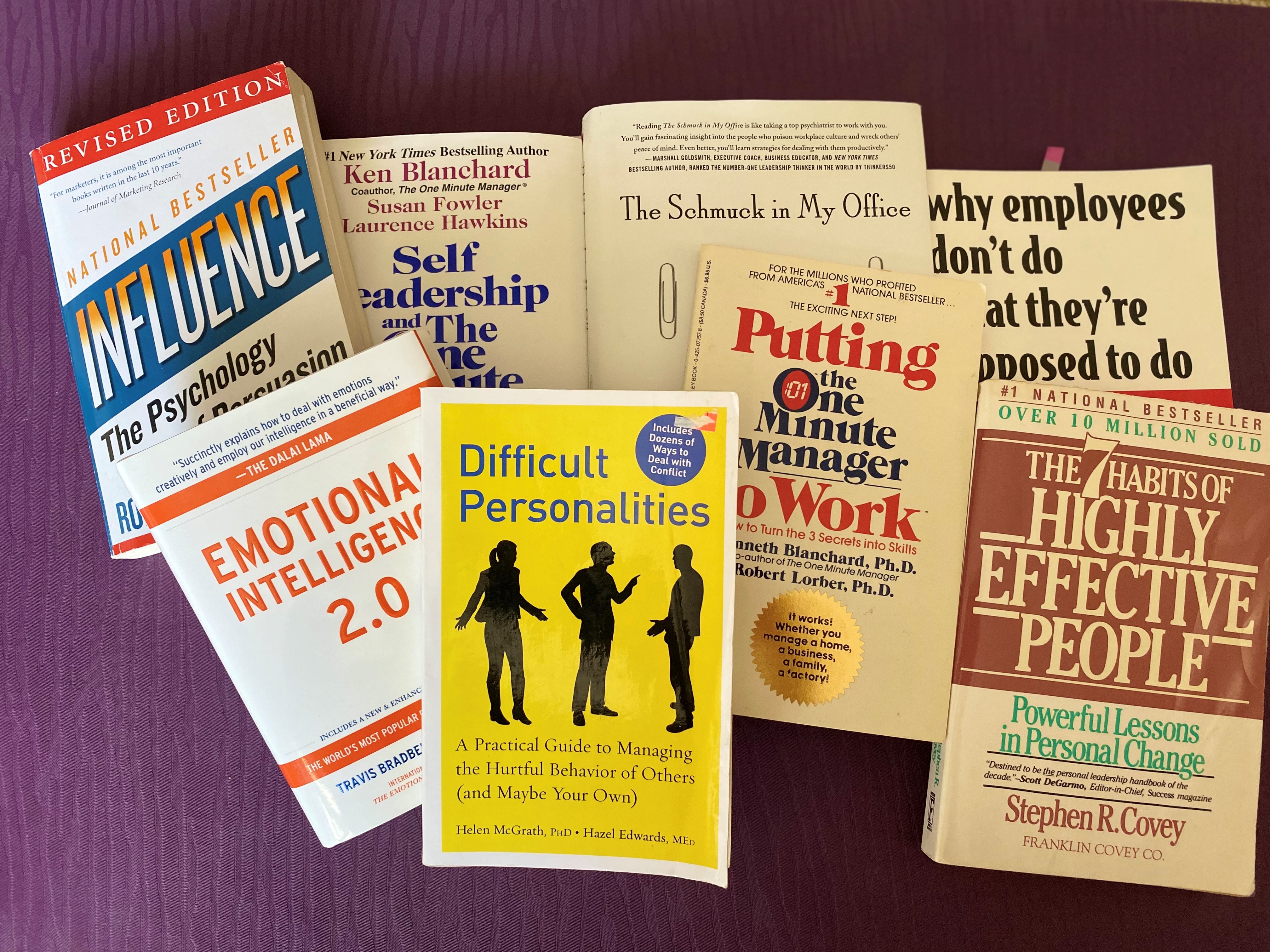
The lifestyle we have and who we become are the results of the decisions we make, the books we read, and the people we meet during our life time. Of course, our parents play a huge role in our early lives, but once we are old enough to make our decisions, we should be responsible for our lives. For example, my parents are quite realistic, materialistic, and logical. They paid for our college as long as we chose the occupations they approved. I’m happy to be an engineer; however, the only reason I became an engineer was to be able to find a job easily, have a decent life, and make my parents feel proud. For the most part, I was not raised in a ‘follow your dreams’ or ‘do what makes you happy’ type of supportive environment. My luck was reading positive  psychology at age 13. I can’t remember why and how I started to read, but I still own some of the books I read 20 years ago. So, at an early age, I became a dreamer despite my parents’ and sisters’ disbelief. I did not let them influence me. I started to believe that who we are and where we are in our life don’t define our future. I didn’t know where to start, but I took the right steps which led me to my dream life. I guess I had a hope and expectation that something magical would happen. The books said that nothing is impossible, and if we believe and work hard for what we want we could achieve it. It was a great piece of advice, which came to my life at right time.

The key is seeing everything as a possibility without limiting ourselves and taking the right small steps for our goals. I learned that things take time, and we can’t multitask the events to be able to achieve more. The actions we take and the incidents we experience always lead to a new path. That’s how we learn the meaning of the life. Once we accept that the failures and disappointments are inevitable, it will be easy to stay positive and keep looking forward. So, everything has to be done step by step, and finally when we look back, we will see that one event leads to another and gets us to the point we are.

I had many beautiful achievements in my life which I accomplished with big delays. My plans did not happen when I hoped, but finally, I got what I wanted. So, I learned in a hard way to be patient and stay positive and give it a try again and again.

My first accomplishment was getting into a school, which selects its students according to a nationwide standardized test score. It was a public school which offers an elementary and high school combination with an extensive English education. Most of the students in my year group came from very wealthy families and they were taking private tutors and after school lessons. So, preparing for the exam on my own and taking only 3 months of after school prep was a setback. However, instead of saying why bother, I said why not and had a chance of getting into the best school in town. In total, 108 students were accepted and I was 47th.

The last unexpected event was meeting my husband four years ago at a workshop in a small town in Tennessee. He was from Britain and living in Birmingham. I was living in Tennessee. Several months later, he helped with my six-sigma black belt project. He was very pleasant to work with and helpful. We became friends and chatted to each other once in a while. Later on, he visited me in Tennessee and we made our relationship possible. As Dale Carnegie says, “We all have possibilities we don’t know about. We can do things we don’t even dream we can do.”

He visited me in November, and then in December, February, and March. Another beautiful opportunity was being able to meet him in Poland for another workshop in April. Then we planned our visits to each other’s families in Turkey and England in July. After a year in a long-distance relationship and so many more trips, he found a job in the USA and moved to Michigan in November. In 2 months, I also found a job in Michigan. The most amazing thing was that a year ago we were 4000 miles from each other and now we were together and planning our future. The decisions we made and the actions we took made our relationship and marriage possible.

My childhood and the life I have created are evidence that nothing is impossible. I worked and lived in China and then moved to the USA. I traveled to so many beautiful countries. Finally, we created a beautiful home and are expanding our family. There will always be a chance, if we try; but if we don’t try, we may never get an opportunity. I hope that we all dream big and try hard to see what is possible for us. We don’t need a rich family or to know someone important to get ahead; we just need to stay positive and not limit our possibilities.


Focus on Yourself and What You Can Do!

“The only one you should compare yourself to is you. Your mission is to become better today than you were yesterday. You do that by focusing on what you can do today to improve and grow.”

  John Maxwell

Do you work after work hours, even sometimes at the weekends? There is no right or wrong answer to this question. Most of the time, we all do what feels right. In the past, I was heavily against working overtime. When I had to, I used to complain to my family and kept thinking about the people around me who got paid as much as I did, and who didn’t work as hard as I did. Not only would I feel angry but also, I would feel unhappy. This is another example of how we become unhappy by comparing ourselves with others. Finally, I learned to focus on myself, which took me more than ten years. I still work overtime. However, I’m happy to be able to complete my tasks because I see it as my responsibility. The question is, how can we work longer hours without feeling annoyed and still have time for our ourselves and our families?

The first mistake we all make is trying to separate our work and personal life. However, it is not possible to unplug our minds after work. Our personal lives impact our work life as much as our work lives impact our personal lives. So, we need to learn to be flexible and adapt to the new circumstances at home and at work instead of focusing on the idea of work-life balance. For example, if we have urgent customer deliverables or delays in our projects, we can check our e-mails and work on the uncompleted tasks after spending some time with our family. So, even if we end up working several hours at home, giving a break will refresh our minds and help us to approach our work with a positive attitude. If not, our minds will keep thinking about unfinished tasks and unanswered e-mails.

The second mistake we make is trying to avoid the issues and late tasks. When we go home, we can stop thinking about work; however, the next day, the same issues and even more tasks will be waiting for us. So, regardless of the time, weekdays or weekends, the best thing is to get things done and empty our minds. This will allow us to feel in control instead of feeling lost and confused at work. At least that’s what works for me.

The third mistake we make is being annoyed by others at work. In the work environment, we have all kinds of people, and not all of them feel the same responsibility and ownership of their job. This was the hardest to learn because wherever I have worked, there have been people who have found time to chat for hours about non-work-related issues, watch YouTube videos, shop online, study for their degrees, and come to work 9:00 am and leave at 3:00 pm. I accepted this reality, and I can’t change this fact. So, when I struggled to finish my tasks after a long working day and brought work home, I couldn’t help myself and hated my life.

Finally, this year, I learned to focus on my job and myself. Everyone is responsible for their actions, and if they feel comfortable the way they spend their time at work, it is their problem. It sounds simple, but it is not easy to apply. Back in February, my husband and I took a course called  The science of well-being, which had a huge impact on us. It showed us that most of the time, people were unhappy not because of themselves but because of the other people around them. For example, they observed employee happiness and satisfaction before and after sharing with them how much their colleagues were making. If their colleagues were making more than them, their happiness and performance level changed drastically. The course shared many other eye-opening scientific studies and surveys that woke me up to the fact that that’s what I was doing all these years.

Another surprising example was in one study, and they found out that if your neighbor purchases a new car, most likely you will change your car in six months. This is another example of how we let others impact our life and happiness. If we can learn not to focus on others’ salaries, homes, and attitudes, we will have better lives.

Another mistake we make is trying to keep things in our minds. Countless researchers suggest that when we remember to send an e-mail, buy something, and plan for a meeting, or when we feel angry, we should write it down and empty our minds. They even recommend to keep a notepad next to our bed, so we can jot down anything which pops into our mind. For example, over the past few weeks, I had to work in the evenings and weekends because I had so many tasks that I needed to review, and I didn’t feel comfortable leaving them undone. On Friday morning, I woke up at 4:00 am and found myself thinking about work. I tried, but I couldn’t go back to sleep. I woke my husband up around 5:00 am, since he has 7:00 am meetings on Fridays. We decided to take a quick walk to get some fresh air. We were both happy because we started our day early, planned our day, and wrote down what we needed to do. The best part was I didn’t think about anything or anyone else other than having a productive day to be able to enjoy our weekend.

Overall, it is all up to us how we approach our work and perform it. If it helps us feel better and accomplish our task more efficiently, it is Ok to work overtime. As long as we understand our responsibilities and have an optimistic approach to our work, we will eventually show our differences and feel successful and fulfilled with our jobs and lives. In the end, we have one life to live, so we should focus on ourselves and make the best of our work and home life instead of trying to find a work-life balance or comparing ourselves with others. As  John Maxwell says, “The only one you should compare yourself to is you. Your mission is to become better today than you were yesterday. You do that by focusing on what you can do today to improve and grow.”


Learn to Escalate, Whether You Like It or Not!

If you are a program manager, don’t you feel sometimes you are babysitting for your team members? It is a challenging job, considering each program launch takes around two years. During this duration, we lead every aspect of the program and expect each team member to understand their responsibility. In the real world, it doesn’t happen all the time. One way or another, we can have difficult people in our team who give us a hard time. So, how can we handle these difficult people with professionalism, especially when we are under time pressure from our customers and upper management?

We are the owner of the program, and it is our job to remind our team members of the project scope, milestones, and actions that need to be taken to meet each customer’s deliverables. But so many times sending e-mails, skyping, calling, texting, and having meetings with our team members are also part of our job to ensure they are doing what they promised to do.

If you are new in program management, the first rule you need to learn is to follow up on the actions. Otherwise, you will be talking about the same open activities for the next meetings. Unfortunately, if we don’t remind them and ask about their progress, again and again, our team members may feel what we are requesting is not urgent and can wait for another week. This part of our job is necessary, but it shouldn’t be our actual job because we need to coordinate and perform many other activities and make sure that each dependent activity progresses as planned and the next activity can start on time. The nature of our job is not only to connect each project step and activity but also to build connections with our team and customers. Overall, our goal is to complete our program successfully and celebrate our accomplishments as a team.

Most of the time, we have limited time between the customer milestones, and we have to focus on the big picture by coordinating our team members’, plants’ and suppliers’ activities. When working hard to put things together, we may be challenged and get pushback from our team members about absurd reasons. This is one of the biggest problems we all face, but we need to find ways to resolve conflicts if we can; if not, we need to learn how to escalate.

I’m not a person who escalates issues or people because I take my job personally. I used to think that escalating issues or people is for weak program managers, who can’t handle their work. So, I’ve not escalated most of the problems or difficult people that I dealt with over the past 15 years in my career. I’m not proud of it because I added extra stress and pressure on myself by thinking this way. Since 2016, I have taken many online classes and read many articles and books to understand and learn how to manage my team and deal with difficult people. However, as I lead more profitable programs, I also understand the importance of my position and the impact of possible delays.

As a program manager, we are responsible for our program’s success, so if we miss customer deadlines, we are the ones who need to take responsibility and blame. However, if there are external issues that may delay our activities and keep us awake at night, we must make our managers aware of the situation. It is not complaining to our managers about our suppliers, customers, or team members. We can prepare a one-page executive summary and explain to them: What are the issues? What actions did we take to solve it? What are the risks for our program? This must be done promptly, not in the last minute of the customer delivery date. If we don’t escalate the high risks on time and miss our deadlines, it will be solely our fault even though it is caused by someone else. What is more, the escalation will come from the customer for missing their milestones.

So, how can we make sure we don’t come to this point? We need to explain to our team members the consequences of their actions, and why we need their response at certain times. We are the primary customer contacts who oversee their expectations and required changes. Later on, we share this information with our team members to be able to align our internal activities. In a perfect world, we receive updates and feedback from our customers on time and should have enough time to align our team members. However, sometimes we face last-minute changes and requests, so we expect our team members to be more proactive and supportive. Some of them are proactive, but some of them are reactive. Unfortunately, we can’t control anyone’s reactions; however, we can control our responses. We can share the customer process and system with them and explain how things work in our PM world. We also should understand these people have other projects to support, so we should give some time to complete their work for our program if possible. However, sometimes some of them have an attitude problem, without listening or trying to understand the situation they resist and don’t want to do their job. After all our attempts, if they still don’t want to take any action, complain, and give us a hard time, there is nothing wrong with sharing the situation with our managers.

In my experience, we’ve always found a way to complete our actions and meet our customer deadlines on time. Sometimes, we’ve had to negotiate with our customers for an extra week or two, which is another part of our job, but we’ve always managed to meet our milestones.

There will always be last-minute changes in our programs. As a team, we need to apply all our resources, resolve the conflicts, and focus on our goals. We should create a positive relationship to create a positive environment. Regardless of what we do and where we work, we will always have some difficult people around us throughout our careers. The name, face, or position may change, we need to learn how to manage these people. On the other hand, we need to remember these kinds of people must also be difficult for others, so we shouldn’t take anything personally and continue to be resilient.

There may be times we get frustrated at work, but it shouldn’t steal our joy and keep us awake at night. We should do our best to keep our professional relationship with everyone while ensuring everyone is working on their assignments. In the end, the reason why we are working together is to launch a new program, so our company can start making money from it as soon as possible. If there is a person, supplier, or anything that may delay our customer milestones, this needs to be escalated, whether we like it or not.

Different Approach to Gratitude

Since February, I have read countless articles and taken courses such as well-being, happiness, mindfulness and resilience and found out that they all have one important trait in common. It is practicing gratitude. These courses shared numerous research that show practicing gratitude has a positive impact on our lives when done consistently. I’ve started to keep a gratitude journal to make use of this positive effects. I must admit my life isn’t transformed, but I feel happier. During the resilience course last week, it came as a surprise that my way of thinking about gratitude was pretty narrow. So, what is gratitude, and how can we benefit from it?

Gratitude means recognizing all the good things we receive and appreciating our blessings. It helps us to focus on what we have instead of what we lack. Even though life isn’t perfect, when we focus on the positive things, we will have better lives. So, that’s what I was doing, counting my blessings. However, there are two other beautiful ways to practice it and increase our life quality and happiness.

One way of practicing gratitude is by seeking goodness in negative situations. Not only will it help us to better deal with difficult situations, but it will also help us look at them with a positive approach. For example, when I was new in my current job, my manager was very hard on me.  Now I see that the pressure she put on me helped me to learn a lot in a short period of time.  At that time, I was so unhappy, but now I’m grateful that I can do any job with the knowledge I gained, without needing any supervision. I wish at that time I had kept my positivity, focused on the benefit of having a new job and found ways to learn my job quicker instead of concentrating on my supervisor’s attitude.

Another way of practicing gratitude is to be kind to those around us. When we express our gratitude and are kind to our family, friends, and coworkers, we will build stronger relationships. On the other hand, so many researchers discovered that when we are kind to a stranger it surprisingly helps us to feel better throughout the day.

Practicing gratitude seems to be easy, but when it comes to doing it daily it becomes somewhat challenging. We may easily identify all the good things coming our way but to get more benefit from it we should definitely seek positivity in negative situations. In addition to that, we need to practice it consistently to be able to see long-term results.  When we truly practice this priceless mentality, we will feel happier, become more resilient, build stronger relationships, and even sleep better.

Here are some Coursera courses and articles if you want to learn more about gratitude and gain more insight about it.

In Praise of Gratitude – Harvard Health

Positive Psychology: Resilience Skills by University of Pennsylvania

A Life of Happiness and Fulfillment by Indian School of Business

The Science of Well-Being by Yale University

Positive Psychology: Martin E. P. Seligman’s Visionary Science by University of Pennsylvania

Next time you put your head on the pillow, please try practicing gratitude and hunt for the good in your experiences instead of overthinking negative thoughts and ruminating on your mistakes. Be aware that we all easily get used to the things we have in our lives; we can clearly see that what we have today used to be our dream, when we slow down and look around. Hopefully, practicing gratitude makes us notice our achievements, empowers us to future success, helps us manage anxiety, and increases our positive emotions and overall health.


Be Water: An Inspirational Documentary

So far, none of the 30 for 30 ESPN documentaries disappointed me. All of them have very unique life stories, and they produced consistently high standards. That’s how we decided to watch a documentary called “Be Water “. It was an extraordinary documentary with so many beautiful messages. It was about Bruce Lee’s life. I wasn’t a Bruce Lee fan; besides, I didn’t even know who he was.
When we started watching the documentary, it didn’t take us long to see his strong personality and how much he cared for and respected his nationality. He was born in the USA because his father was performing Chinese opera in the United States during that time. He grew up in Hong Kong, and due to his father’s job, he became an actor in his early years. He also trained in martial arts and learned Chinese Gung Fu. Later on, he moved to Seattle for his university degree and started a new life in the USA.

He was extremely nationalistic and cared about how Chinese people were seen in America. He did his best to promote his culture, his traditions and especially Gung Fu. He gave martial art lessons to his friends to introduce his beautiful culture. His goal was to open martial art schools, which he did. He gave Gung Fu lessons to the American people and shared his philosophy with them.

He found his way to Hollywood through his martial arts success but as a co-star. Even though he was very talented, at that time, Hollywood was not diverse and open to foreign actors. The documentary also shared how African American and Asian people were treated in America. I felt like nothing has changed because 60 years later, we still see similar scenarios.

Some days, he couldn’t find any roles, but he still never accepted a role that involved humiliation to his Asian heritage and culture. He was very outspoken and wanted to contribute more to his films. When he realized that he couldn’t make it in Hollywood, he went back to Hong Kong. He became extremely successful. He still had his goals and his plan was to come back to the USA and make his movies to be able to share with the world Chinese Gung Fu and cultures through his movies.

During the documentary, he had a nice conversation with one of the reporters I loved the most:

Berton: “Do you consider yourself a Chinese? Or American?”
Lee: “You wanna know? A human being.”

It is a must-see documentary. As you watch, you will see that at a young age, Bruce Less was an inspiration for millions of people. He was not just an actor, a martial art master, or a philosopher. He was a real role model and an example to everyone with his life. It was a beautiful story. I hope my kids will be very proud of their heritage and appreciate their Turkish and British traditions and culture, like Bruce Lee.

Couple Goals: Sip&Paint

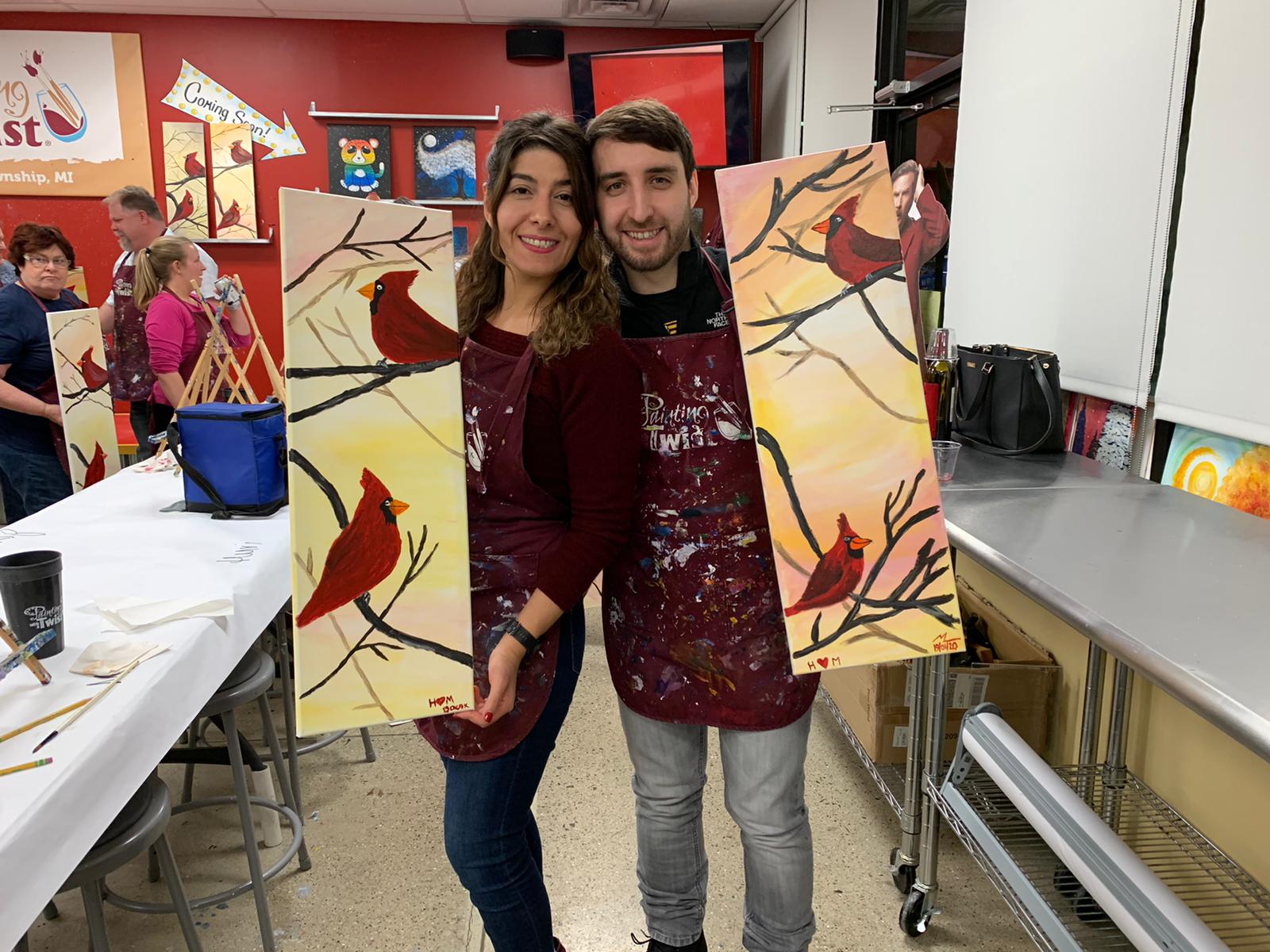
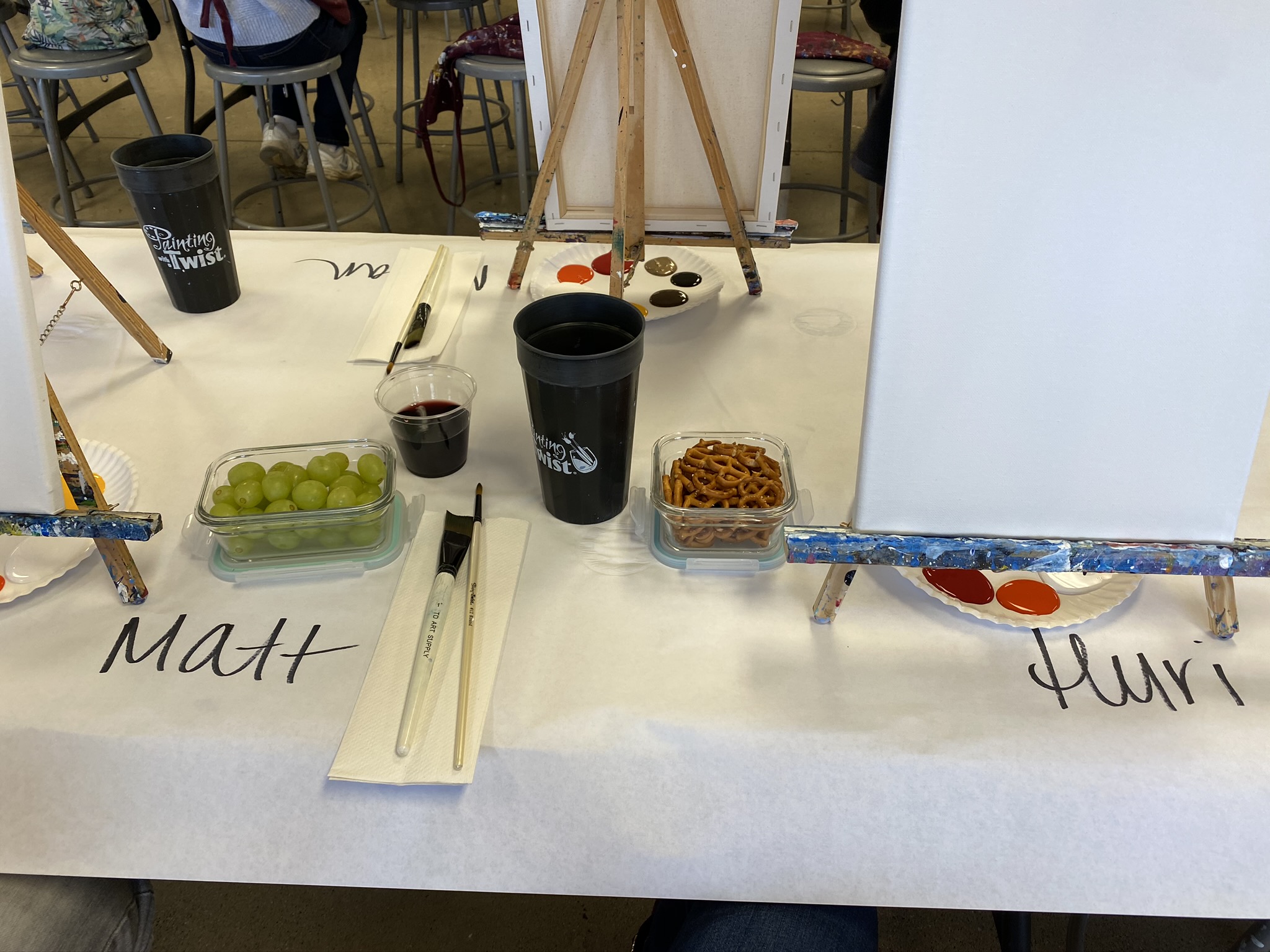
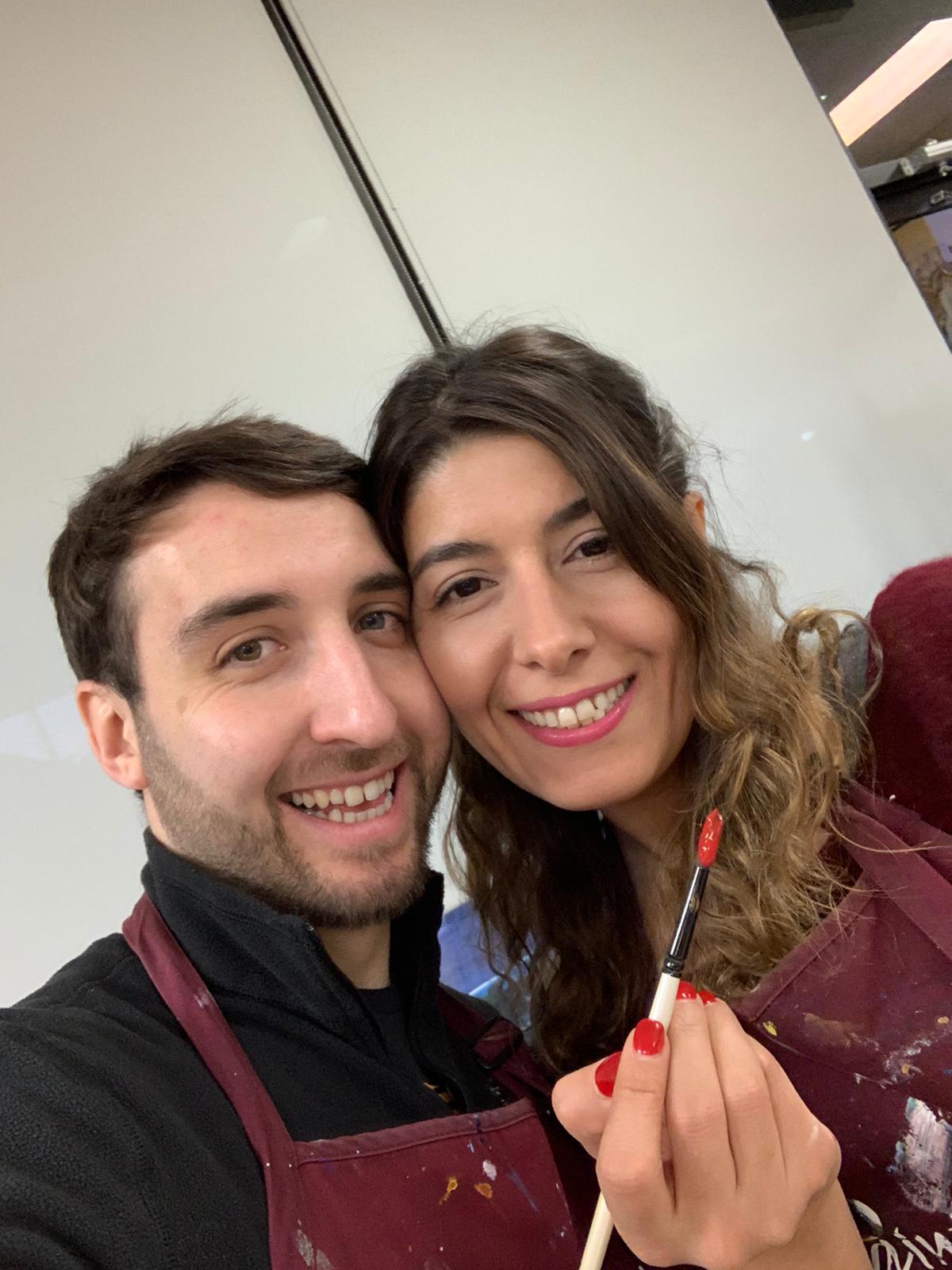
Finally, my husband and I tried sip and paint. At the beginning, we both were very skeptical because we didn’t have any painting experience previously. Also, we weren’t feeling comfortable doing activities with strangers. However, we did not let our anxiety change our decision and booked an online class for a cold Sunday afternoon. Based on the available classes, we did our best to pick something simple and meaningful to paint.

We arrived early to understand the process. It was a big studio, and there were so many other ongoing classes. In one of the classes, they were celebrating a birthday, and in another one, a big group was having a get-together. We were pleased to see that all of their paintings were quite nice, and everyone was having fun. After the studio tour, we took our places at our workstations and waited for others to arrive.

We were still very excited and felt that it was a good decision from what we saw so far. Our workstations were ready with the painting materials. Also, we brought our drink, fruit, and some pretzel with us. I wasn’t sure if anybody would eat, but I wanted to be prepared if they did. So, we were ready to paint two cardinals.
They provided two completed samples for us to review while we were painting. Also, the instructor painted her own painting while explaining the process. She also prepared bird templates during the classes. I think she should have done it earlier. Instead of cutting the templates when we were there, she should have spent time with us and checked on our progress. Maybe other teachers do better preparation; since it was our first experience, we did not know. Next time, I will definitely ask this question before I book my class.


Overall, it was a great experience. Of course, we did not become artists after this experience, but we both completed our paintings successfully. Besides, we had a lot of fun. We compared our paintings and helped each other. In the end, we were happy with the results. After this experience, we understood better the value of doing out of ordinary activities together. Although we enjoy cooking, walking, running, or traveling together, trying something new was fascinating.

If you never tried sip and paint, I highly recommend it to anyone who wants to spend some quality time with their loved ones. You can learn new things about each other and be surprised by the hidden talent they or you may have.

Used Books New Thoughts!

Have you ever bought a secondhand book? If not, I highly recommend you try it. Nowadays, it is very easy to find used books at very affordable prices. When I was at school, some of our books were very expensive. So, we used to go to the big bookstores to sell our previous year’s books and try to find the upcoming years used books. It would take us days to find what we needed because we would never know what was available at which bookstores. Regardless of whether it is new or used, I like reading a physical book. I like the feeling of holding a physical book, underlining the sentences, and taking notes in them. I think it is a culture that we should pass to our kids.


I still buy used books, definitely not in the same way I used to do. It is amazing how our lives changed and became more convenient with technology. Life is easier than it used to be. We can buy anything more affordably and effortlessly regardless of what we buy, new or used, books, clothes, or furniture. For example, when we want to buy a used book, we can check through the internet and purchase it in less than ten minutes. In addition to that, we can select the condition of books, review sellers’ ratings, and compare the prices.

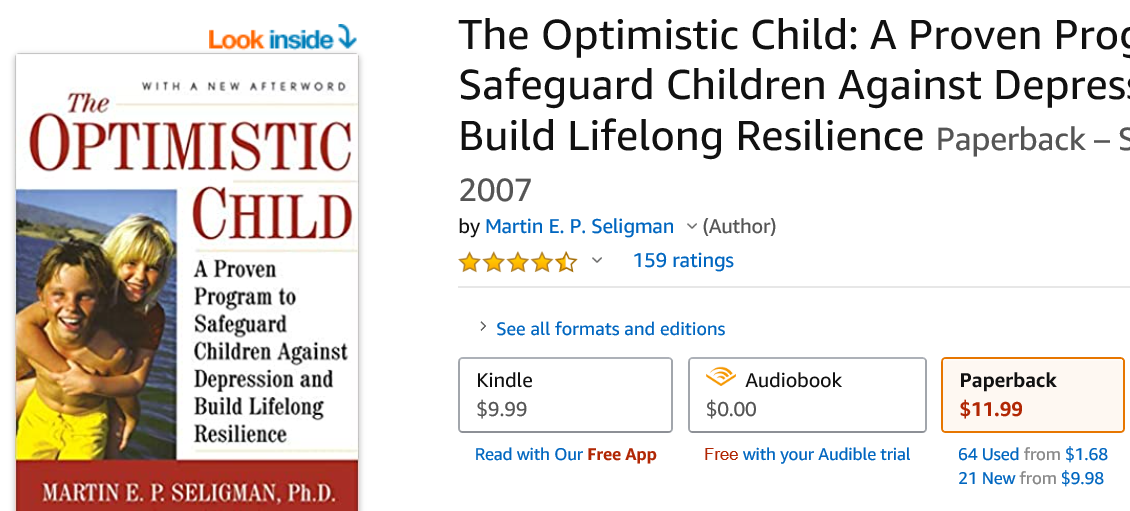
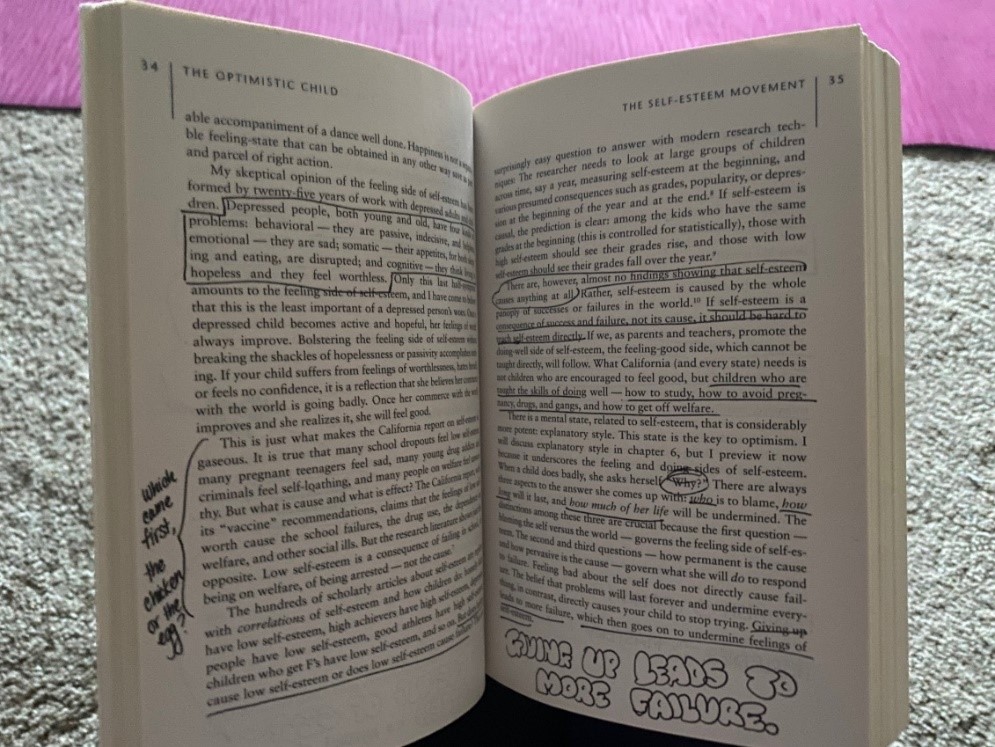
Last week, I purchased two more used books. When I received them, I was hoping that they were in good condition. I started to read one of them immediately because it was recommended for one of the courses I was taking. As I read, I discovered some notes from the previous reader, and also, she underlined some sentences. I felt happy to discover what she found interesting about the book, and I looked forward to reading her notes. It made me happy to see there are people out there similar to me who want to get better and improve their lives. For instance, the book I purchased was about raising a child with optimism and resilience.


It is not all about saving money. I feel like I’m sharing my thoughts with a friend when I see the notes. Also, if I don’t like a book that I purchased, I don’t feel very bad when I don’t read it. Knowing that I did not spend too much money helps me not to feel guilty about it. I know there are other affordable options to read a book, such as a library, an e-book, or even audible books. But, if you are like me when you get used to reading a physical book, you may prefer to own it.
Next time, when you need a new book, please consider purchasing a secondhand book. Not only will you save money, but also it may open the door to see the previous reader’s perspectives. I think reading a physical book will never get old regardless of its condition. Hopefully, you will pass this beautiful habit to the new generations.

Is Procrastination Sustainable?

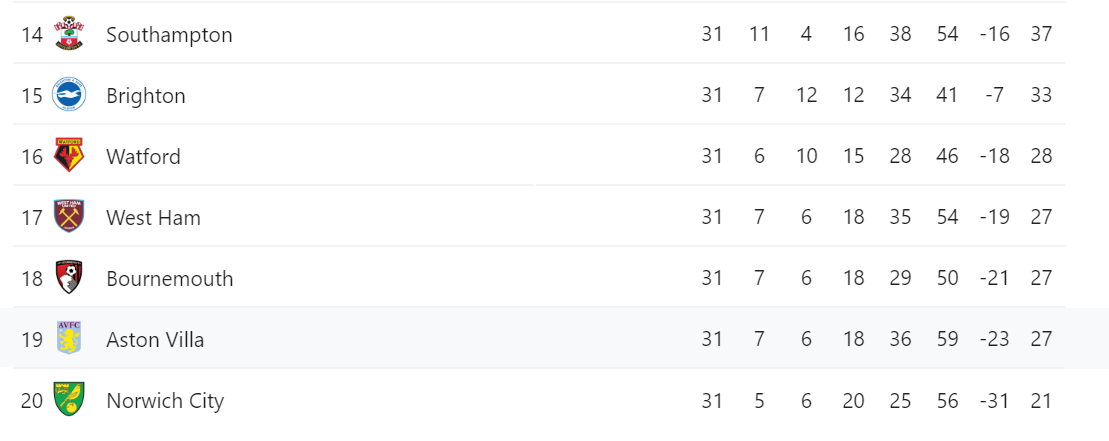
While my husband is stressfully watching one of the last games of his favorite soccer teams season, I keep asking myself why his team put itself in this situation. They are in the relegation zone, and they are fighting to stay at the premier league. They have 7 games to play, and they’ve already played 31 games until now. So, how did they miss planning their strategy and leave all their hopes and their future for the last 7 games? At this point, Aston Villa is desperately hoping to get some points to be able to stay in the league, while we all are praying that the other teams that are in the same situation lose some games. Unfortunately, there is no time or money left to get a better coach or footballers. They have to stay optimistic and still believe that they could do it with what they have.

Leaving things to the last minute is not limited to Aston Villa’s situation; we all do it from time to time. We don’t see the big picture and just try to save the day. Some days, we leave studying for our exams to the last minute, some days, we leave preparing an important presentation to the last minute, or some days, we leave buying an anniversary or Christmas gifts to the last minute. However, as we grow up, our responsibilities and the consequences of our actions get bigger. Not only do we add more stress to our lives, but we may also create a damaging habit for our health. So, if we see a negative trend in our lives, such as leaving things to the last minute and procrastinating, we need to consider changing ourselves and our lifestyle.

Foremost, we need to understand that unfortunate things happen to everyone; the only difference we can make is to find a way to handle them and learn from them. We need to have a plan and a positive attitude because one failure or leaving one thing to the last minute shouldn’t define our remaining actions. It is a learning experience. If we let this one misstep define our future and see ourselves as a failure, that’s what we will get. By thinking this way, not only will we invite more failures to our lives, but we also let stressful emotions take over it.

Recently, I’m taking an online course, which is about how badly we react to negative situations. Last week, the professor gave an example from her life. At the age 29, she developed rheumatoid arthritis because she couldn’t handle the bad grades she had and saw herself as a failure. Whereas the bad results had nothing to the with her future, it was the result of that semester. It was an eye-opening example, because each time I watched her videos, I could see the damage she had on her hands. However, she was very positive and she shared her experience to warn us and used it as a learning experience which gave me hope and power. So, we need to learn to react to the negative events proactively and don’t let them impact our health and the rest of our actions.

We also need to believe that our future is bright and better. We all need to learn to reset our minds to prevent ourselves from ruminating on past events. It may not be easy, but the health professionals say that it is possible to train ourselves. If we let one failure define our future actions and let our procrastination become a habit, we will invite more failure, even long-term health issues.

At the end of 90 minutes, Aston Villa lost another game. It may be too late for them to turn things around and stay in the premier league. However, we can learn from them and stop procrastinating. We can still have some success when we leave things until the last minute, but it is not sustainable to live this way. Instead of delaying things and creating more problems for ourselves, we can take small steps and start taking actions against anything that we are procrastinating. Once we get started, we will see that it is not as tough as we think.