
“You wouldn’t fail to plan your wedding, so why you are failing to plan your smaller projects.” Matthew Larner
A project plan is a formal document that outlines the project activities in detail. It should include what needs to be done, when, and also who will take the actions to deliver the project outputs. Indeed, we need our customers’ inputs and milestones to be able to create a successful and accurate project plan. So, we need to communicate clearly with our customers from the beginning of the project to make sure we are on the same page. Also, we should develop a good relationship with our customers, which leads to successful project launches and new future programs.
As a program manager, we are responsible for creating the project plan with our team. Once we identify our activities, critical paths, and their duration, we need to share our proposal with our customers. The critical point is that our plan should be realistic. We cannot afford to overcommit to our customers, and also, we should not expand our activities to be on the safe side.
In my programs, my customers always provide their key milestones, and it is my job to plan my activities within their deadlines. Sometimes, we have enough time to deliver our products. Occasionally, we may need to negotiate with our customers for an additional duration, or we need to tailor our plan to be able to meet their deadlines. At least we need to show them why we need more time for our activities.
Once we outline our plan, we need to have progress meetings to ensure our internal team members are working on their actions. Also, we need to have periodic meetings with our customers to get their feedback about our progress. There will always be issues, problems, delays; that is the reason each project has a program manager. As a program manager, it is our job to solve the problems, coordinate the activities, and monitor our project plan. The important point is that we need to know when and what to share with our management and customers. If the issues we are facing could impact our deliverable, this needs to be communicated earlier, not at the last minute. Not only will it help us to gain our customer’s trust, but it will also give us more credit for being transparent. As we do, our customers have their management, to whom they report the program process. So, if we share bad news with them very late in the program, it may hurt their credibility to their management and also may harm our relationship with them.
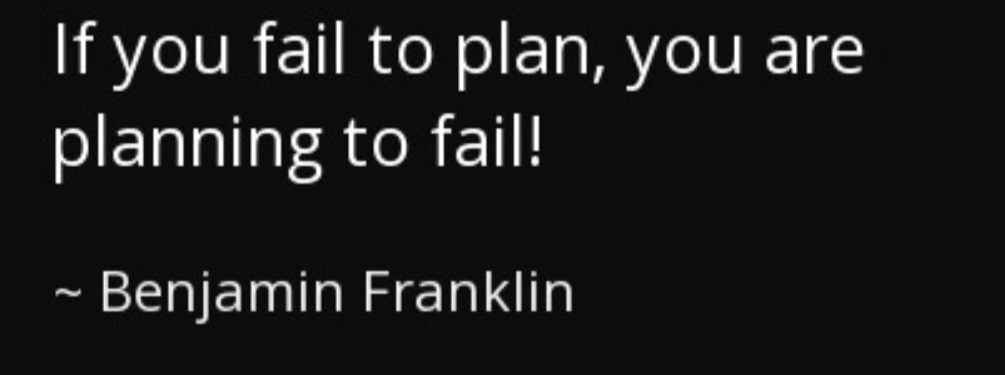
Overall, for the successful project, we need to create accurate planning and we also need our customer’s agreement. We also need to periodically inform them of our progress. With each new program, we will improve our planning skills. As Benjamin Franklin says, “If you fail to plan, you are planning to fail.”



 Finally, someone called me a high performer. I know I’m a high performer, but it still feels good to hear it from others. Even though I shouldn’t need anyone to tell me these words, I still would like to hear them. I’m still learning not to feel elated when I’m praised or not to feel discouraged when I’m criticized. However, I’m not where I want to be yet.



 I’m a Project Manager with a deep passion for both professional and personal growth. Designing and building the next generation of vehicles is incredibly rewarding, but it comes with its challenges—especially for someone as emotionally invested as I am!